Good morning! As we approach week 3 here are some ways
you can incorporate speech and language into daily
routines and activities this week.
For those students who are working on increasing
use of words or are using devices to communicate, try this:
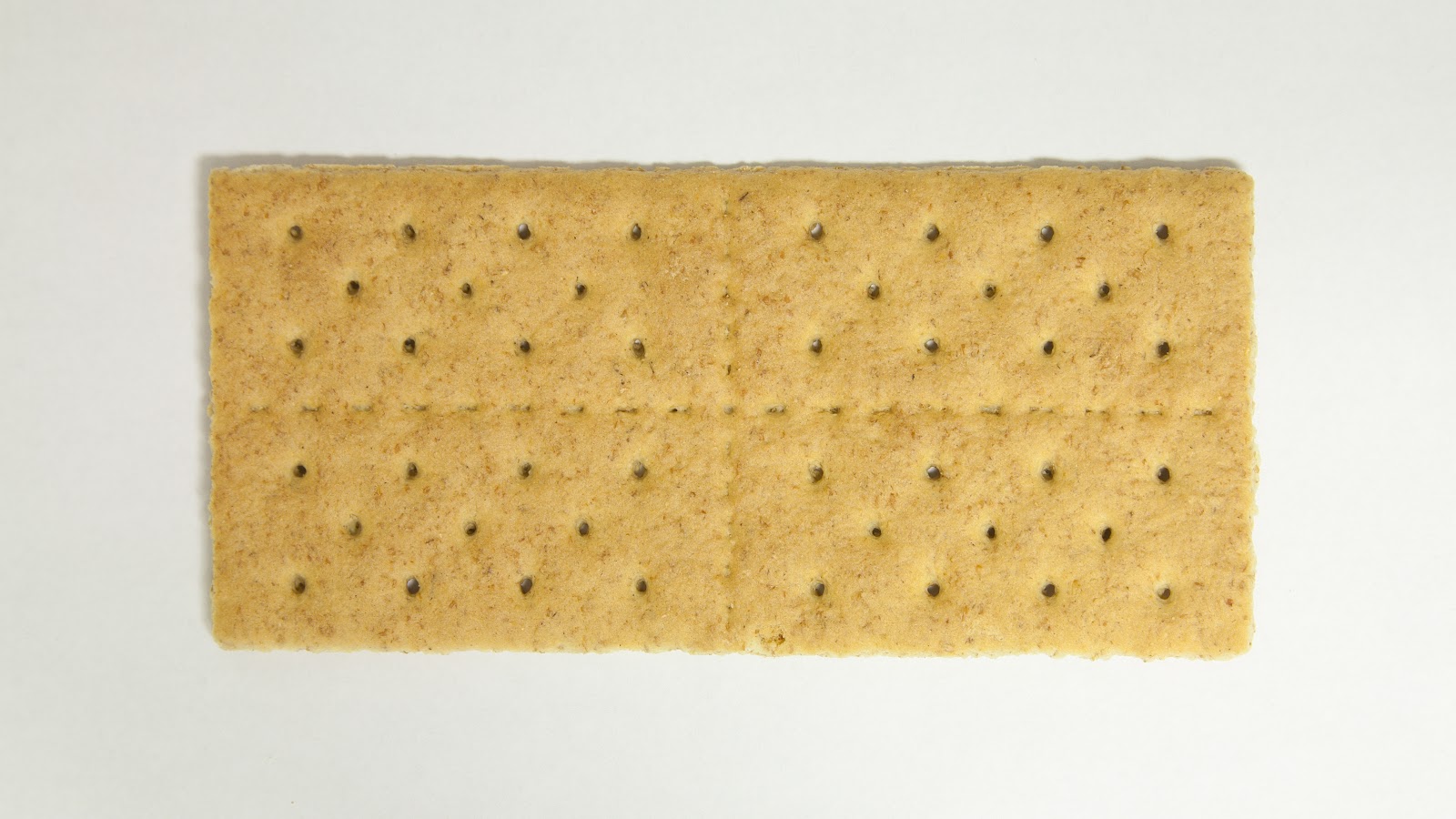
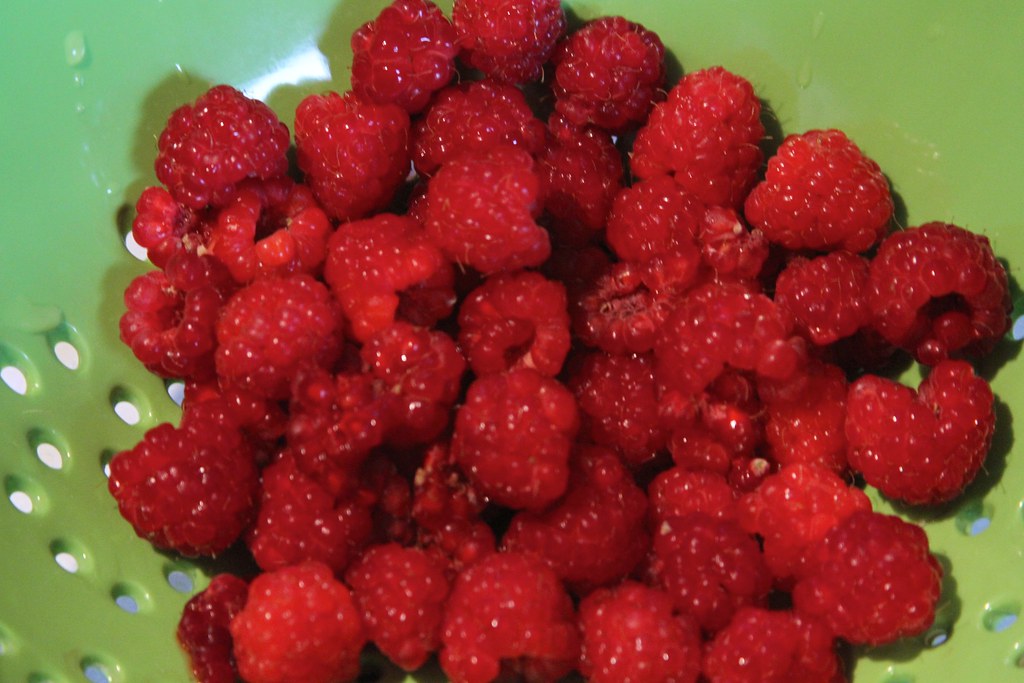
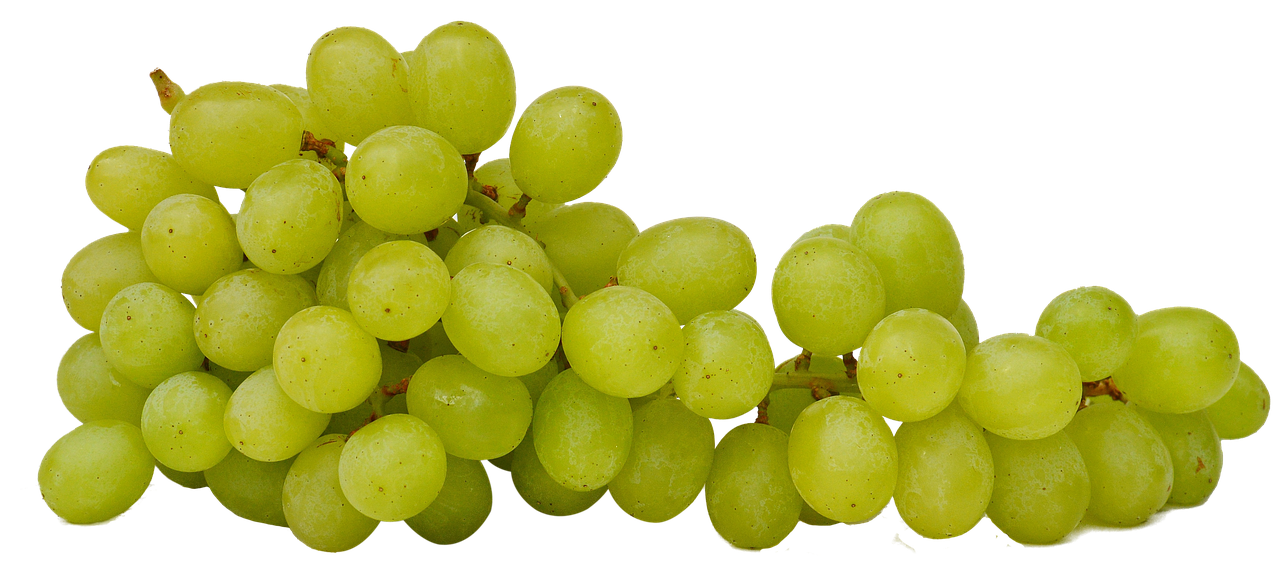
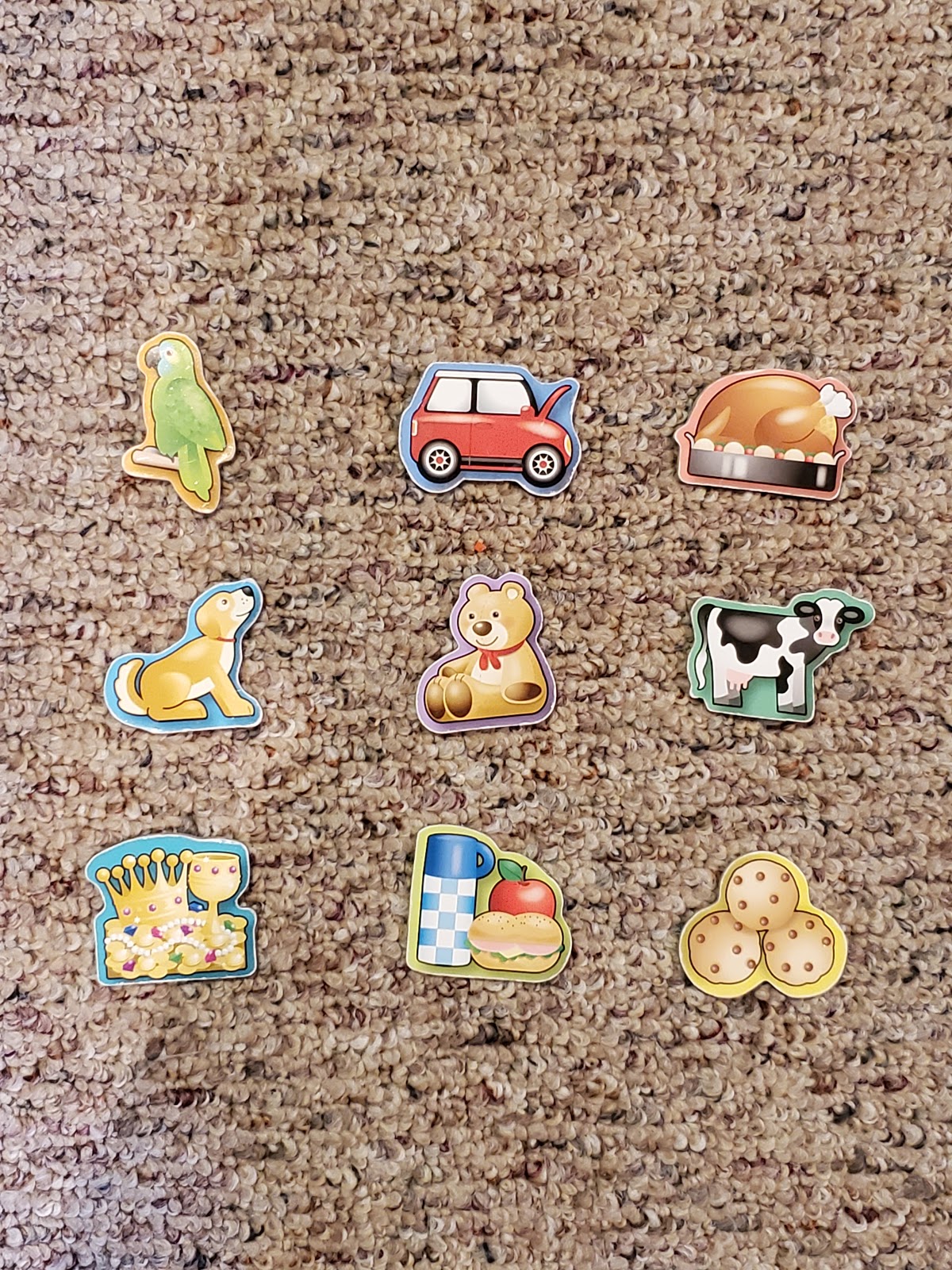
- In order to support functional communication, it is great to
have pictures of the things your child really likes. You can
have pictures of favorite foods and drinks and hang them on
the fridge so that your child may request what they would like.
Then you can have a back and forth exchange.
Whenever there is interaction between 2 people,
the desire to communicate more and in different ways increases.
- Also take pictures of the daily routine:
get up (picture of bed), brush teeth (picture of toothbrush),
eat breakfast (picture of child eating).
You can make a little book of these pictures and read it together.
For children who aren’t that interested in books, looking at pictures
of themselves and things they are very familiar with may increase
the time spent together in an interaction.
- take pictures of toys that they really like to play
with so that they can request these toys. Try taking
pictures of parts of the toys such as parts of Mr. Potato Head
or parts of a barn set. Keep the parts in a bag and give them two choices
- “do you want the eyes or the nose”? By pointing to a picture they are
telling you what they are thinking about and they are improving their
ability to interact which always leads to more and more attempts
to communicate.
For those students who are working on making
speech sounds correctly, try this:
Search around the house, inside or outside, depending on
the weather, for objects that start with the sound you are
working on. Consider taking a picture with your parent’s
phone and when you are finished go through and look at
the pictures and name them. Remember to say your sound
correctly. Or you can carry a notebook with you.
When you find something, write the letter the object starts
with or try to write the whole word.
Review the words later practicing your sounds.
For those students who are working on
increasing language skills, try this:
Search around the house, inside or outside depending
on the weather, for items in categories.
Consider taking pictures on your phone and
reviewing them later.
Find 3 things that are soft.
Find 3 things that are hard.
Find 3 things that are red.
Find 3 things that are big.
Find 3 things that are tiny.
Do some comparing. I see a rock and a mailbox post.
How are they alike? (ie they are both hard)
How are they different?
(a rock is small but the mailbox post is big).
Have a terrific week!





/horse-galloping-in-grass-688899769-587673275f9b584db3a44cdf.jpg)